


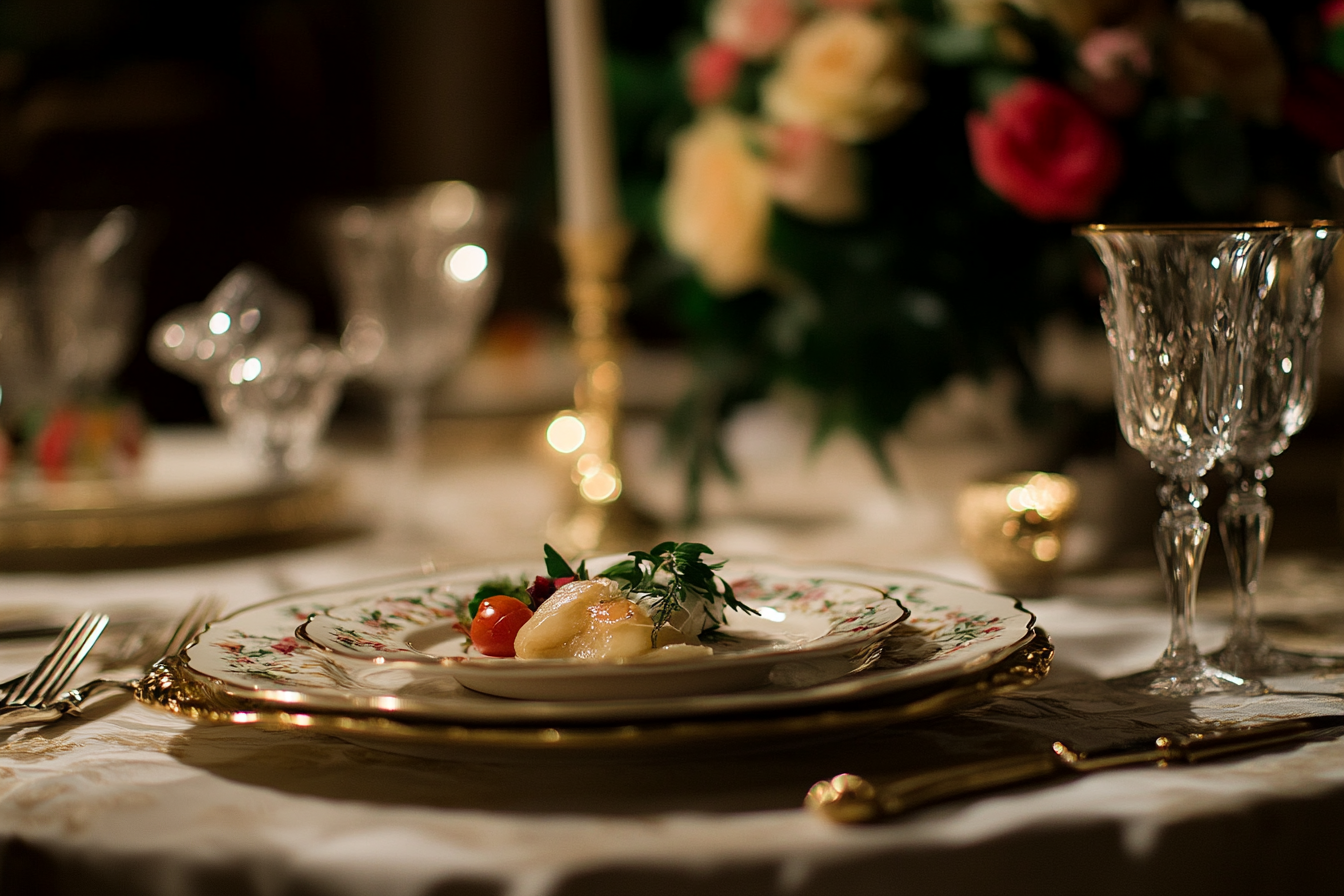

Trending Food Plating Techniques for Event Caterers
Key points:
- Food presentation is a crucial part of catering that significantly impacts the overall dining experience.
- Latest plating techniques focus on using sauces, garnishing, and playing with complementary colors.
- Key methods involve creating layers and height and mixing different textures (e.g., smooth and crunchy) for visual and culinary interest.
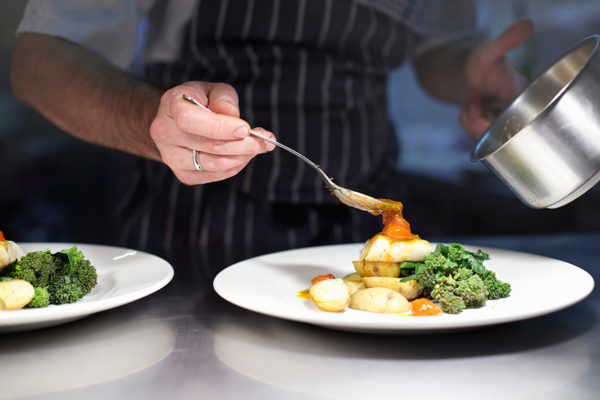
- Specialized plating tools, like tweezers and squeeze bottles, can help control placement for intricate designs.
Food presentation is a crucial aspect of any catering event, and can greatly impact the overall dining experience for guests. With the rise of food photography and social media, it’s more important than ever for NYC caterers to stay ahead of the game when it comes to food plating techniques. Whether you’re a professional caterer or just looking to impress your guests, here are some of the latest food plating techniques that you can use to enhance the look of your dishes.
Table of Contents
The Best Professional Plating Techniques
Sauce Plating and Garnishing are Important
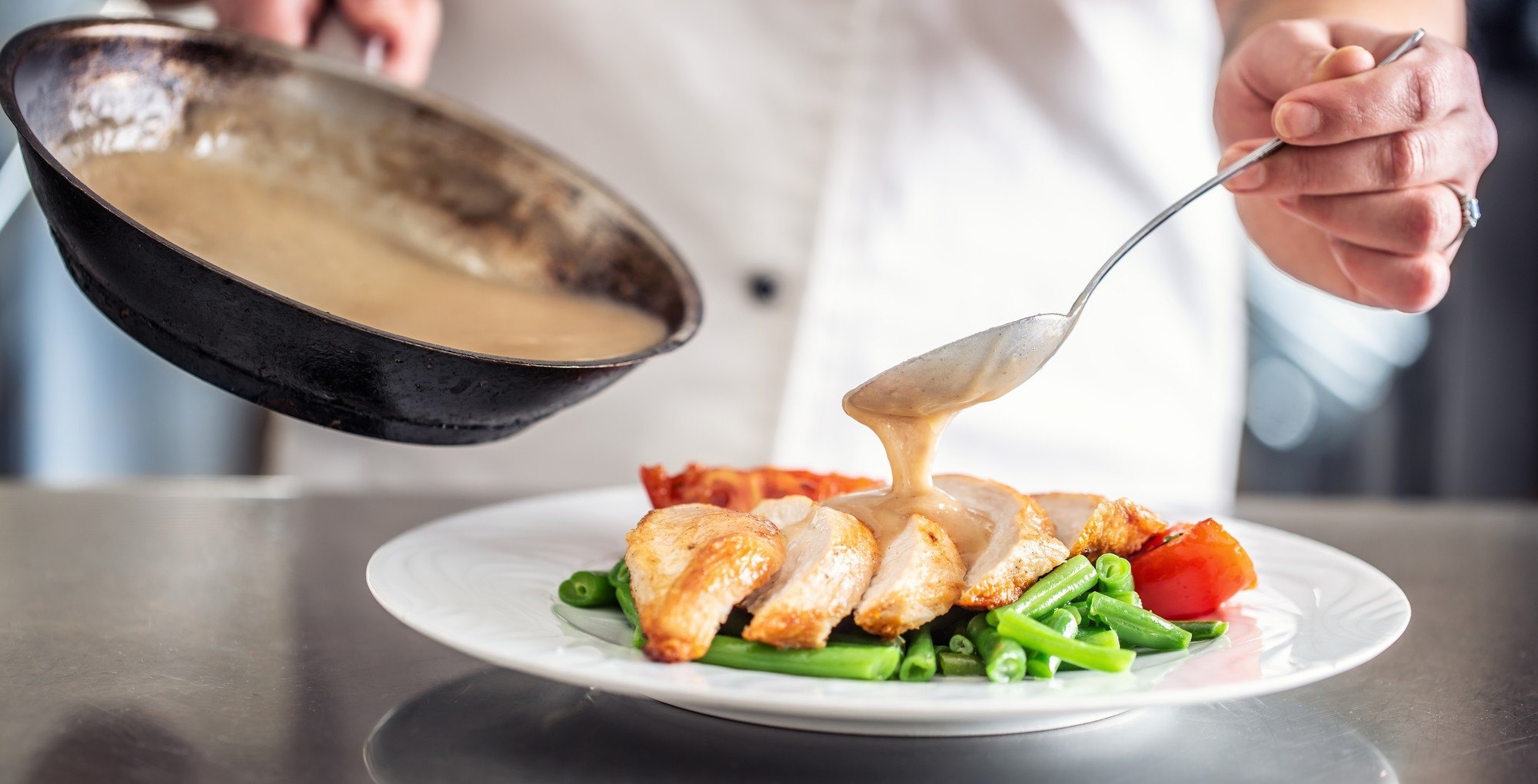
Sauce plating and garnishing are important elements of food presentation. A well-placed sauce can enhance the flavor and texture of a dish, while an appropriate garnish can add visual interest. Try to use spices that complement the flavors of the dish, and choose garnishes that are fresh and colorful.
Use Plating Tools
Plating tools can help you create visually appealing designs that will impress your guests. Some popular plating tools include tweezers, offset spatulas, and squeeze bottles. These tools make it easy to control the placement of ingredients and sauces, allowing you to precisely create intricate designs.
Use Complimentary Colors
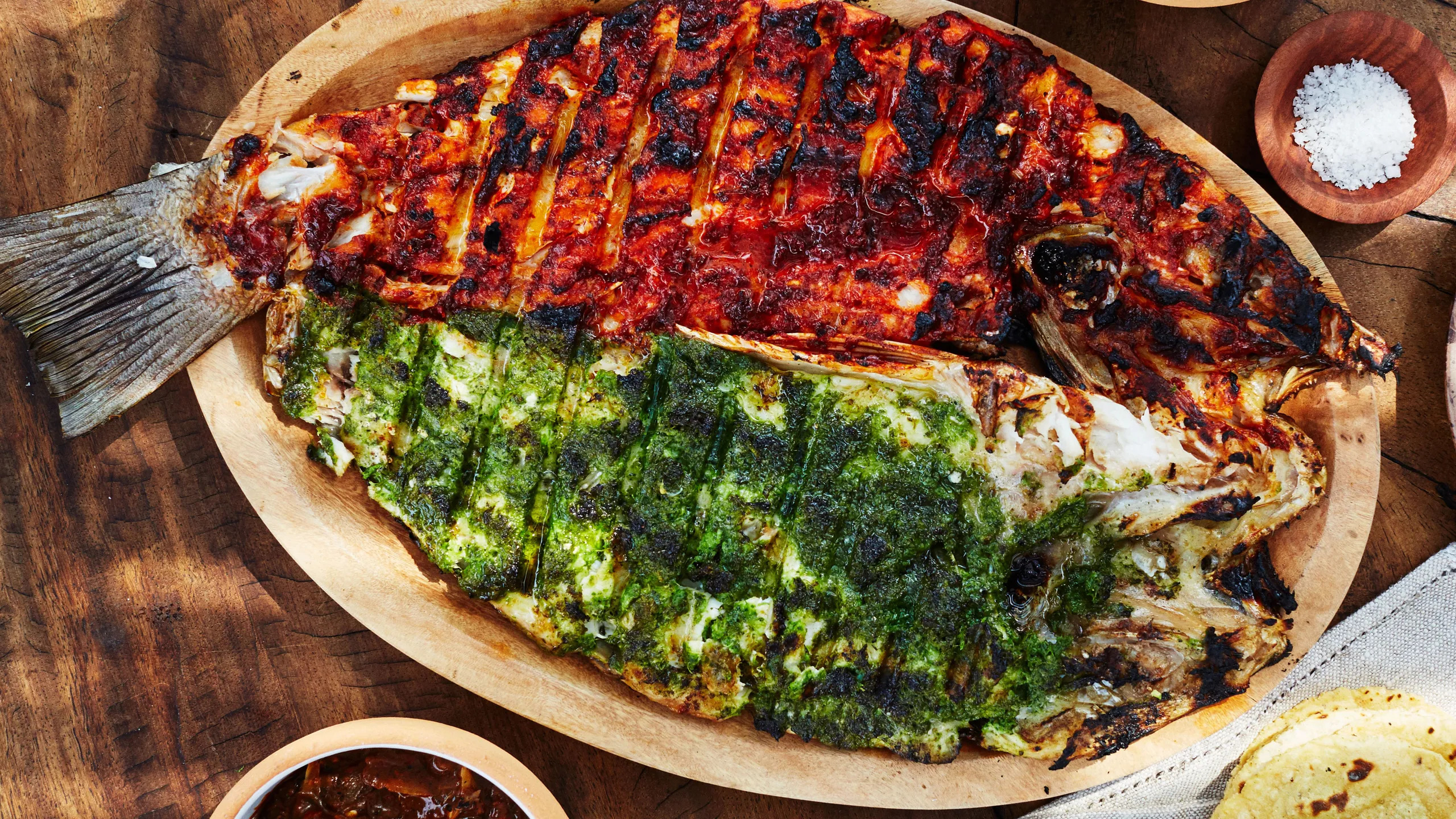
Color is an important food presentation technique. Choose ingredients and sauces that have complementary colors to create visually appealing dishes. For example, you might pair green with red to create a bold and eye-catching presentation.
Create Layers and Height
Layers and height can add visual interest and dimension to your dishes. Try stacking ingredients or creating mounds of food to create height, and use different textures and shapes to create layers. This will give your dishes a more dynamic and engaging appearance.

Play with Textures
The texture is another important factor in plate presentation. Mixing different textures, such as smooth and crunchy, can add interest and contrast to your dishes. You can also use different textures to create layers, such as a creamy sauce on top of a crunchy topping.
In conclusion, these are just a few of the latest culinary plating techniques you can use to enhance the look and taste of your dishes. Whether you’re a professional catering New York company or just looking to impress your guests, these tips will help you create beautiful and delicious plates that everyone will love. So, start experimenting with different plating techniques today and take your food presentation to the next level!
Frequenty Asked Questions
Check out the most frequently asked questions about food plating techniques!
Why is food presentation important in catering?
Food presentation is crucial as it greatly impacts the overall dining experience for guests.
What are some key elements of food plating techniques?
Key elements include sauce plating, garnishing, using plating tools, complementary colors, creating layers and height, and playing with textures.
What tools can help improve food plating?
Popular plating tools include tweezers, offset spatulas, and squeeze bottles, which allow for precise control over ingredient placement.
