


How to Start a Catering Business in NYC
You might dream of starting a catering business right from your home kitchen, but once you start serving large groups of people for a profit, the law steps in. To start a catering business in NYC, you need a $280 permit from the Health Department, a Food Protection Certificate, a registered company, and a commercial […]Read more

NYC Event Laws
NYC event laws work out to a stack of separate permits, each from a different agency, with its own fee and filing window. A wedding in a licensed venue might need none of them. The same party in a park, with a band, a bar, and a tent, needs four. This covers which ones apply […]Read more

7 Cocktail Trends to Watch in 2026: Evolution in Mixology
Key points: The 2026 cocktail landscape promises innovation, covering everything from nostalgia to mindful mixology. Key trends include reviving ’90s classics with modern twists and the rise of the umami flavor profile. The continued popularity of tequila and mezcal is notable, alongside a focus on non-alcoholic cocktails and decorative, fancy ice. Low- and no-alcohol has […]Read more

Wedding Catering Cost: How Much Is It on Average in NYC?
Key points: Wedding catering is a significant expense, with costs in New York City generally ranging from $150 to $400 per person. Factors influencing the price include the guest count, menu selection, geographic location, and the caterer’s experience. Plated dinners are the most formal and expensive option, while buffet and cocktail receptions are generally more […]Read more

Cocktail Party Dress Code. What to Wear to a Cocktail Party?
Attending a cocktail party is often one of those events that you’re looking forward to. What may not be that exciting is figuring out what to put on. Luckily, choosing what to wear to a cocktail party doesn’t have to be stressful or problematic, and the rules have loosened in your favor. Go on reading […]Read more

How Much Is an Open Bar at a Wedding?
You’re planning a wedding. Great! Now, you are probably facing one of the big decisions: whether to have an open bar or not. Drinks have quietly become one of the fastest rising lines on a wedding budget, so the answer matters more than it did a couple of years ago. Before you get carried away […]Read more

Catering Trends: What is Mediterranean Food?
Key points: Mediterranean food is a blend of various cultures from countries along the Mediterranean Sea, including Greece, Turkey, and Italy. The cuisine is defined by fresh ingredients and minimally processed food items. Olive oil, bread, wine, and spices are major cornerstones of Mediterranean dishes. Popular regional dishes include Greek moussaka, Turkish kebab, and Syrian […]Read more

What Are Hors D’oeuvres? A Culinary Exploration into Bite-Sized Wonders
Key points: The term hors d’oeuvres is French, translating to “outside of the work.” They are small, bite-sized appetizers designed to be a culinary art form and to tantalize the taste buds before the main course. Hors d’oeuvres are categorized into “light” (refined, true bite-sized) and “heavy” (more substantial, sometimes serving as a full meal). […]Read more

Cocktail vs. Mixed Drink: What’s the Difference?
Table of Contents Is There a Difference Between a Cocktail and a Mixed Drink? Understanding the Classic Cocktail Understanding Simpler Mixed Drinks What Should You Serve at an Event: Cocktails vs Mixed Drinks? Cocktails vs Mixed Drinks for Formal Events Cocktails vs Mixed Drinks for Casual Gathering Cocktails vs Mixed Drinks for Themed Parties Cocktails […]Read more

Hors D’oeuvres vs. Appetizers – Key Differences
Key points: Hors d’oeuvres are small, bite-sized finger foods served at social gatherings, often outside a formal meal context. The French term hors d’oeuvres translates to “outside the work,” indicating they are separate from the main course. Appetizers are more substantial small dishes, like soups or salads, served as the opening act of a structured […]Read more
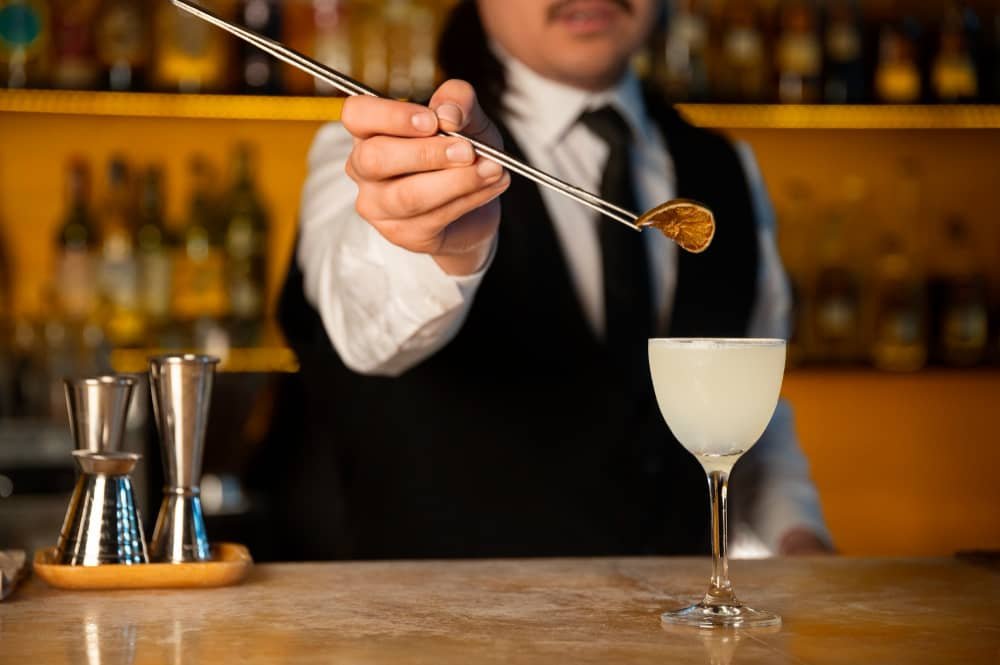
How to Get a Mixology License?
Key Takeaways: A mixology license is not required in New York, but many businesses and establishments that serve and sell alcohol might want to have that from you. The minimum age for attending a mixology license course in New York City is 18. A mixology license ensures that individuals have the necessary knowledge to handle […]Read more
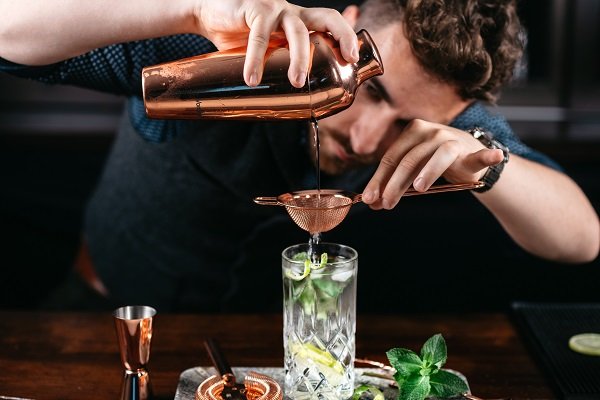
Mixologist vs Bartender – What’s the Difference?
Key points: Mixologists are beverage artists who focus on creating new, intricate cocktails, experimenting with unique flavors and techniques. Bartenders are masters of hospitality and efficiency, handling high-volume service and a broad range of drinks. The primary difference lies in focus: mixologists prioritize creativity and innovation, while bartenders excel at speed and comprehensive service. What […]Read more