


7 Cocktail Trends to Watch in 2026: Evolution in Mixology

Key points:
- The 2026 cocktail landscape promises innovation, covering everything from nostalgia to mindful mixology.
- Key trends include reviving ’90s classics with modern twists and the rise of the umami flavor profile.
- The continued popularity of tequila and mezcal is notable, alongside a focus on non-alcoholic cocktails and decorative, fancy ice.
- Low- and no-alcohol has moved from a single courtesy option to a full menu tier, with nearly half of Americans cutting back.
- The classic revival now reaches past the ’90s to the Martini, the Sidecar, and the French 75, judged on precision rather than novelty.
The cocktail trends shaping 2026 reward better ingredients, lower alcohol, and precision behind the bar rather than spectacle in front of it. Here are seven emerging cocktail trends in 2026.
#1 90s Throwback: The Resurgence of Nostalgia
One of the current trends in cocktail culture is reviving the classic cocktails from the 90s and giving them a modern twist that will make them relevant again. The Cosmopolitan and the Appletini are back with a refreshed twist, created for a new generation of cocktail enthusiasts. This revival is not about reworking old rules; it’s about infusing these classics with fresh flavors and decorating them to reflect the zeitgeist.
High-quality ingredients, handmade syrups and creative garnishes give these trendy cocktails a contemporary twist, offering a taste of the past with a modern twist.
In 2026, the revival has widened well past the ’90s. Bars are mining the ’70s and ’80s just as hard, and the Martini leads the whole category, alongside the Sidecar, the French 75, and the Jungle Bird. The conversation has moved to spirit selection, vermouth freshness, and ratio. The Espresso Martini has stopped being a trend and is now a permanent menu staple.
#2 Umami Explosion: Raising Savory Sensations
Say goodbye to the traditional sweet and sour taste; there’s a new cocktail flavor trend taking over, and it’s called umami. Bartenders are experimenting with savory ingredients like miso paste and seaweed-infused simple syrup to craft cocktails that offer a rich and complex taste experience.
This umami trend explores the savory side of mixology, incorporating ingredients such as soy sauce, fish sauce, and roasted vegetables to enhance the depth of classic cocktails. However, these drinks aren’t just about savory flavors; they’re carefully balanced with sweet, sour, citrusy, and spicy elements to create a well-rounded and lingering taste sensation.
What changed in 2026 is reach. Tomato water, mushroom, and dashi now appear on mainstream menus rather than specialist bar programs. Natural savory depth has also replaced theatrical smoke as the standard way to add complexity, which suits guests who want a second drink.
#3 Tequila and Mezcal: Mexican Influence Continues
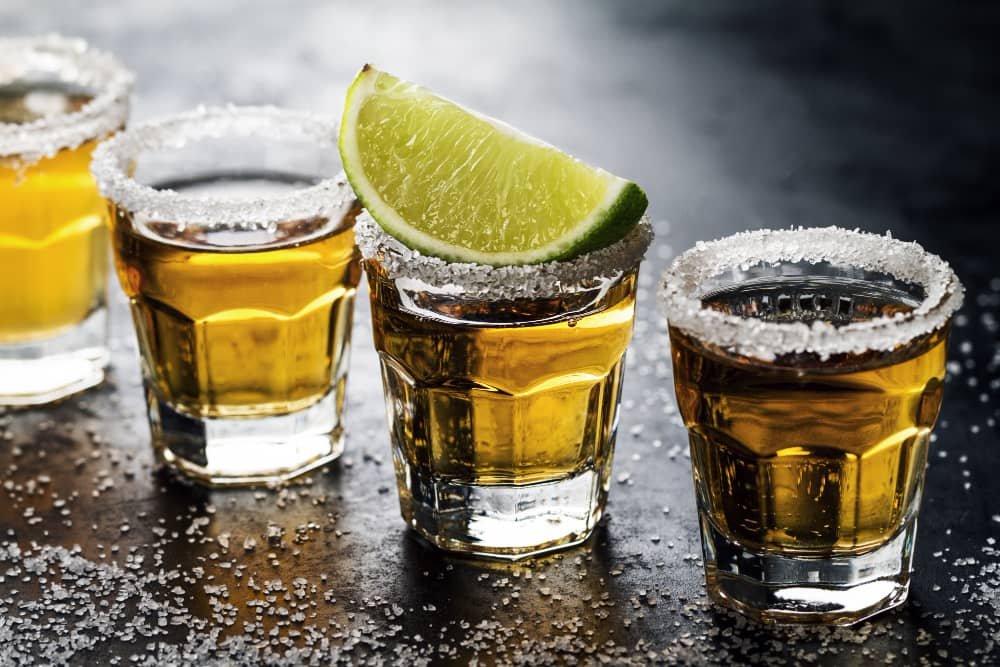
The love affair with tequila and mezcal shows no signs of slowing down. Agave spirits continue to be a cocktail trend in 2026. Bartenders are experimenting with them by incorporating global influences and adding spicy or savory flavors to create innovative drinks.
Cocktails like a yuzu-infused smoked mezcal sour or a spicy jalapeño margarita bring the taste of Mexico to cocktail menus everywhere. The buying conversation has shifted, though. Additive-free labeling and clear production information now carry more weight with guests than brand recognition, and bars have begun including that information on their menus.
#4 Mindful Mixology: The Rise of Mocktails aka Non-Alcoholic Cocktails
In a world where health and wellness are top priorities, the demand for non-alcoholic and low-alcohol cocktails is on the rise. But the non-alcoholic cocktail trends in 2026 are not about average mocktails. They’re sophisticated and inventive creations that rival their boozy counterparts in flavor and complexity.
Bartenders are stepping into a new phase of mindful mixology, exploring a wide array of ingredients: botanicals, herbs, adaptogens, and spices. This trend caters to health-conscious consumers and those seeking adventurous tastes. Examples include a spicy Paloma mocktail or an adaptogenic tonic infused with turmeric and ginger, showing that satisfying and delicious drinks can be enjoyed without alcohol.
The scale of it is what is new. Nearly half of Americans now say they are actively trying to drink less, up from 24% in 2023, so a zero-proof list of three or four drinks is the baseline, not a courtesy. Non-alcoholic amari, botanical distillates, and fortified wine alternatives give bartenders the bitterness and body that earlier mocktails always lacked.
#5 Fancy Ice: The Art of Chilling
Ice is no longer just a means to cool down your drink; it’s a work of art in its own right. Handcrafted cubes, clear blocks, and flavored infusions give bartenders and mixologists another way to add a touch of sophistication and style to every cocktail.
Trendy cocktails in 2026 can use crystal clear cubes that highlight the color and transparency of the drink, or custom-shaped ice creations that add a unique look. But it’s not just about aesthetics; fancy ice also serves a functional purpose, melting slower than regular cubes and preserving the flavor and temperature of your drink for longer.
Ice has also become a signature for event bars. Stamped cubes, single large spheres, and logo-etched blocks now do the work that colored syrups and dry ice fog used to do, and they hold a drink at its intended dilution far longer.
#6 Trendy Cocktail Colors: Vibrant and Vivacious
In the world of cocktails, presentation is paramount, and nothing catches the eye quite like a colorful concoction. You can find trendy cocktails in all sorts of bright colors, blues and pinks included, thanks to ingredients like butterfly pea flower powder, though where that color comes from matters more in 2026 than it used to.
But it’s not just about aesthetics. Cocktail colors also reflect the flavors and ingredients used in the drink, giving a tantalizing hint of what’s to come with every sip.
This year, the shift is toward natural pigments. Hibiscus, beet, saffron, and pandan have largely replaced food coloring because guests now read an artificial color as a shortcut rather than a flourish.
#7 Trends in Cocktail Catering and Events: The Ultimate Experience Away From Cocktail Bars
In the dynamic landscape of cocktail catering and events, the quest for unforgettable experiences remains paramount. Global flavors, mindful mixology, and immersive experiential cocktails make 2026 a year of pushing creative boundaries and redefining hospitality.
At-home hosting has become a regular ritual rather than an occasional event, and guests bring bar expectations with them. Tasting flights, interactive builds, and bartenders who explain what they are pouring have moved from novelty to baseline, which is why events now get booked on format as much as on menu.
Ready-to-drink cocktails are the other half of this story. The category now accounts for roughly $13.9 billion and about 12.5% of US beverage alcohol dollar sales, raising the bar for what a fresh-made drink must justify. An event bar in 2026 competes with a canned Margarita, so the case for a live bartender rests on the experience rather than the liquid alone.
In 2026, the cocktail scene has delivered on innovation, creativity, and boundless possibilities. Bartenders are exploring new heights of flavor and presentation, revisiting classic cocktails with a contemporary character and embracing mindful mixology and experiential trends.
Planning an event in New York and want a bar menu built around what people are actually drinking this year? Alchemiq designs custom cocktail programs for weddings, corporate events, and private parties across the city, including full zero-proof menus and crystal-clear ice service. Request a quote, and our team will put together a proposal for your date.
Frequenty Asked Questions
Check out the most frequently asked questions about cocktail trends in 2026!
What are the key cocktail trends in 2026?
Key trends include reviving ’90s classic cocktails, the rise of umami flavors, and an increased focus on non-alcoholic cocktails. In 2026, the classic revival has widened to include the Martini, the Sidecar, and the French 75, and low-ABV serves have become a full menu tier rather than a single option.
How is ice being used in cocktails?
Ice has become an art form in its own right, with handcrafted cubes and flavored infusions that improve a drink’s look and how well it holds up. Dense, slow-melting ice preserves the flavor and temperature of drinks longer. Stamped and custom-shaped cubes have also become a signature for event bars.
Are tequila and mezcal still popular?
Tequila and mezcal continue to be popular, with bartenders experimenting by adding global influences and spicy or savory flavors to create innovative drinks. Additive-free labeling and production transparency now influence which bottles bars buy.
