



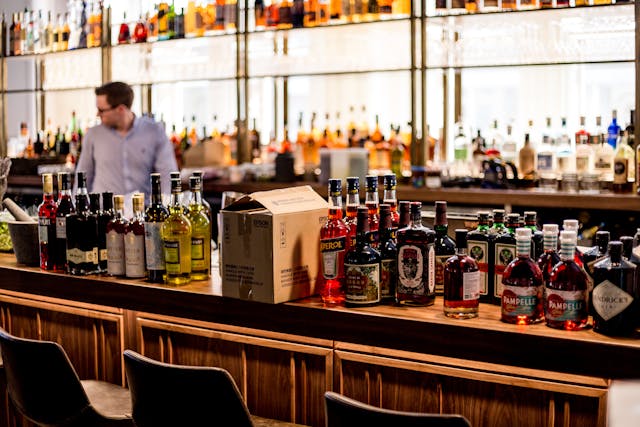
How to Create a Cocktail Menu? All You Need to Know
Key points: Creating an eye-catching cocktail menu is a demanding process that requires a deep understanding of mixology, customer preferences and market trends. If you want to learn how to create a cocktail menu to impress your customers and improve their drinking experience, you’ve come to the right place. We’ll walk you through the necessary basic steps to creating […]Read more
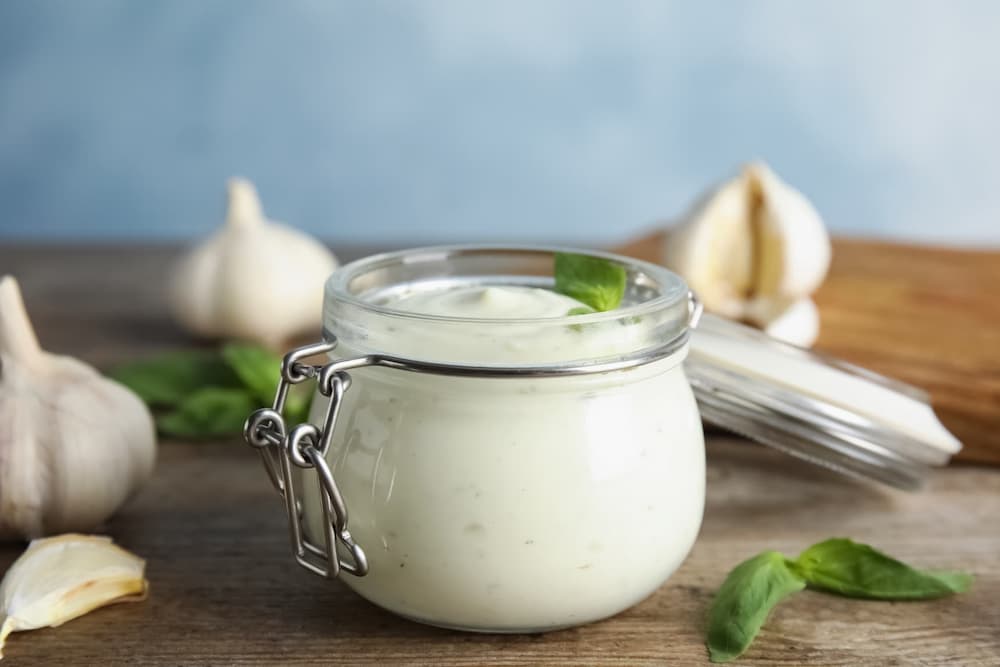
What is Truffle Aioli and What Does It Taste Like?
Key points: Truffle aioli is a creamy, flavorful sauce mixing truffles (expensive mushrooms) with aioli (garlic mayonnaise). The sauce combines the distinct garlicky flavor of aioli with the rich, earthy taste of truffles. Truffle aioli is a versatile and luxurious addition, often paired with fries, sandwiches, seafood, and grilled meats. The culinary world is full […]Read more

Cocktail Party Etiquette. Hosting and Serving with Style
Key points: Hosts must greet each guest personally and offer a selection of hors d’oeuvres and beverages upon arrival. Proper host etiquette involves circulating to introduce guests and facilitating connections without over-interfering. Hosts must offer a well-thought-out drink selection and ensure that every guest’s glass remains full. Guests should be mindful of their attire, arrive […]Read more

7 Ideas for a Fundraising Party: Elevate Your Event with Creativity
Key points: Successful fundraising parties require clearly defined financial objectives and tailoring the theme to the target audience’s interests. Interactive elements like themed decor and engaging fundraising stations encourage attendee participation and generosity. Unique culinary experiences, such as themed cocktail bars or local food stations, enhance guest enjoyment. Event success is maximized by including inspiring […]Read more

Hors D’oeuvres vs. Appetizers – Key Differences
Key points: Hors d’oeuvres are small, bite-sized finger foods served at social gatherings, often outside a formal meal context. The French term hors d’oeuvres translates to “outside the work,” indicating they are separate from the main course. Appetizers are more substantial small dishes, like soups or salads, served as the opening act of a structured […]Read more
How to Plan a Family Reunion: Step-by-Step Guide
Key points: Planning a family reunion follows a 12-step guide focused on reconnecting generations and creating lasting memories. The initial steps involve defining the event’s purpose, setting a date, and establishing a detailed budget. Successful execution requires choosing a theme, planning engaging activities, and ensuring comfortable accommodations for all guests. It is crucial to have […]Read more

How to Plan a Memorable Birthday Party: The Ultimate Guide
Key points: Planning a birthday celebration begins with setting a date and a realistic budget for all event elements. Choosing a theme adds enchantment and offers a cohesive thread for decorations, catering, and entertainment. The venue, decorations, and planned entertainment should all align with the chosen theme and guest count. Catering and the drinks menu […]Read more

How to Plan a Corporate Event: Your Comprehensive Planning Guide
Key points: Successful corporate event planning requires meticulous attention to detail and a clear focus on the event’s objectives. The guide outlines a 10-step planning process, covering everything from budget creation to venue selection. Key elements for success include assembling a dedicated team, planning engaging activities, and gathering feedback for continuous improvement. Corporate events are […]Read more

What Are Hors D’oeuvres? A Culinary Exploration into Bite-Sized Wonders
Key points: The term hors d’oeuvres is French, translating to “outside of the work.” They are small, bite-sized appetizers designed to be a culinary art form and to tantalize the taste buds before the main course. Hors d’oeuvres are categorized into “light” (refined, true bite-sized) and “heavy” (more substantial, sometimes serving as a full meal). […]Read more
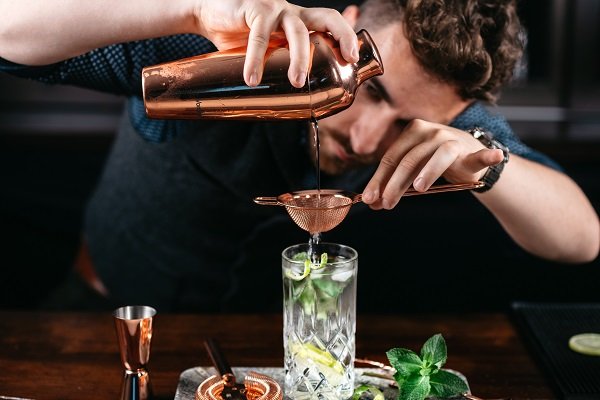
Mixologist vs Bartender – What’s the Difference?
Key points: Mixologists are beverage artists who focus on creating new, intricate cocktails, experimenting with unique flavors and techniques. Bartenders are masters of hospitality and efficiency, handling high-volume service and a broad range of drinks. The primary difference lies in focus: mixologists prioritize creativity and innovation, while bartenders excel at speed and comprehensive service. Mixologists […]Read more

Lady Diana, Sotheby’s and the $1.1M Sweater
Ever catered an event where a single sweater sells for over a million bucks? We have. And no, it wasn’t just any sweater. This was the “Black Sheep” sweater, Princess Diana’s iconic statement piece. Talk about a high-stakes fashion feast! Anticipation in the Air: Setting the Stage at Sotheby’s Sotheby’s New York was buzzing. One […]Read more
What is a Mixologist and How to Become One?
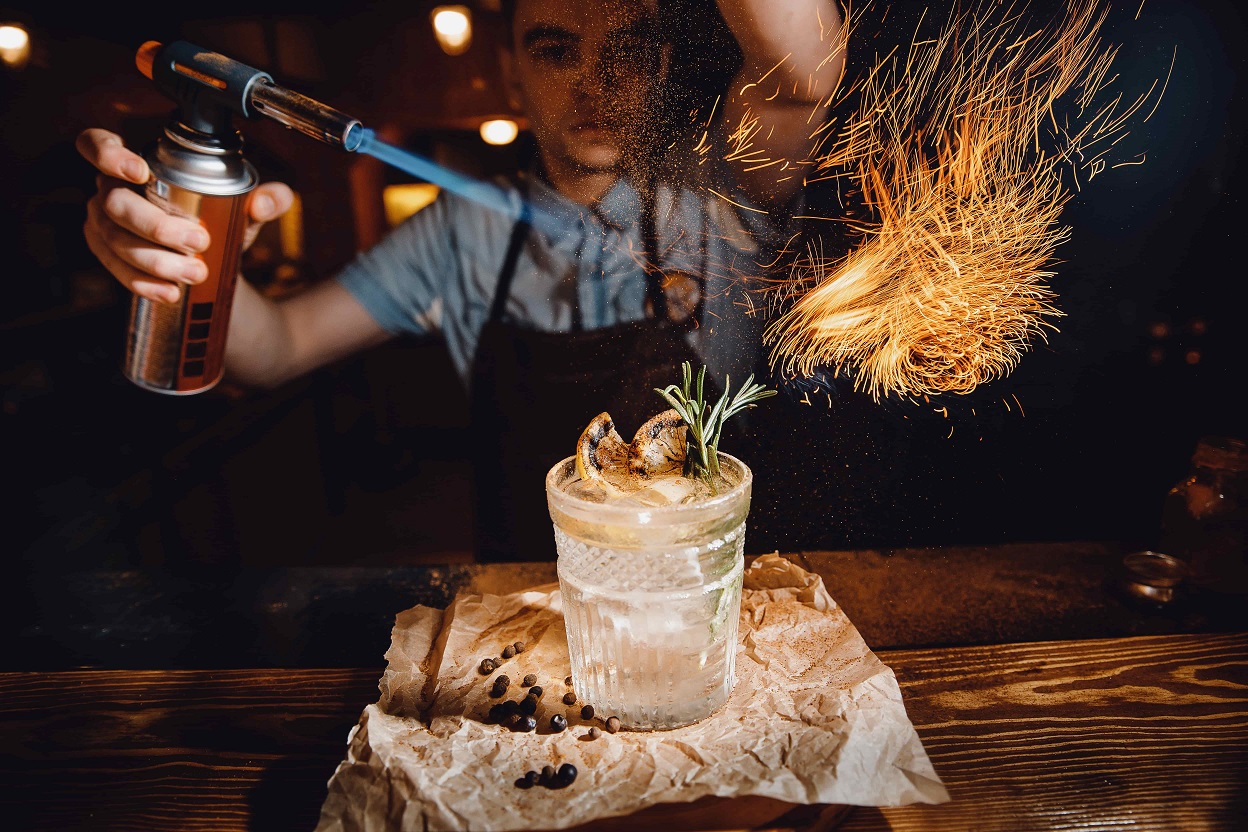
Key points: A mixologist is a creative expert who invents new cocktail recipes and has a deep knowledge of ingredients. Mixologists use special techniques and often create their own components, such as syrups or foams. The role goes beyond simple mixing; mixologists act as “bar chefs” who focus on the art and science of cocktail […]Read more